
FISCAL MEASURES IN SUSTAINABLE DIGITALIZATION: GREEN TAXATION POLICIES REGULATING THE CARBON FOOTPRINT
Synopsis
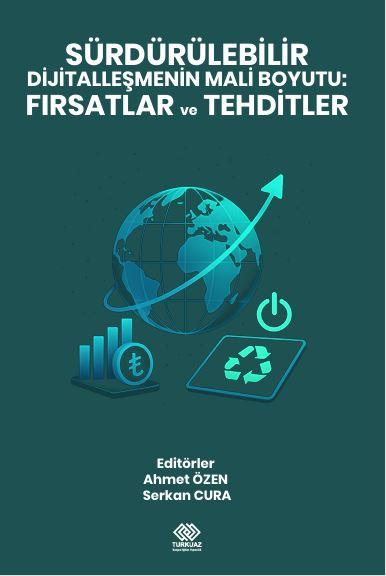
The rapid growth of the digital economy driven by data centers, cloud computing, and artificial intelligence creates significant opportunities for economic efficiency while simultaneously generating substantial environmental costs known as the digital carbon footprint. This chapter analyzes the central role of fiscal instruments in managing the fundamental tension between digitalization and sustainability objectives. It highlights the dual ecological nature of digitalization, which encompasses both risks, such as rising energy consumption and electronic waste, and opportunities, including the acceleration of decarbonization through green twin innovations (disruptive and incremental) and smart grid technologies.
Building on the “polluter pays” principle, the chapter examines green taxation policies such as carbon taxes and emissions trading schemes alongside fiscal incentives aimed at steering the transition toward sustainable digital infrastructure. It argues that effective management of the digital
environmental nexus requires not only tax-based measures but also strategic public expenditures (green budgeting) and performance-based indicators, including Power Usage Effectiveness (PUE) standards for data centers. These tools collectively enable governments to guide digital infrastructure
investments toward lower-carbon pathways. Drawing on international best practices from the European Union’s Green Deal, as well as Swedish and South Korean policy frameworks, the
chapter evaluates Türkiye’s current position and existing policy gaps. In light of the EU Carbon Border Adjustment Mechanism (CBAM) and Türkiye’s 2053 Net Zero Target, it proposes concrete fiscal strategies, such as channeling revenues from the digital services tax into green transition funds.
Echoing OECD (2025), the chapter concludes that achieving sustainable digitalization is possible only if fiscal policy across revenue, expenditure, and performance dimensions is fully aligned with environmental objectives.
Downloads
Pages
204-288
Published
December 11, 2025
Categories
Copyright (c) 2025 Serkan CURA (Cilt editörü); Doç. Dr. Güngör ÖZCAN- Doç. Dr. Melissa Nihal ÇAĞLE- Dr. Öğr. Üyesi Kevser YILMAZ- Seyfi YILDIZ- Arş. Gör. Hafize Erva YILDIZ- Dr. Nur Sena OĞUZ- Prof. Dr. Gül KAYALIDERE- Arş. Gör. Gizem KALYONCU YIKILMAZ - Arş. Gör. Dr. Ceyda ÜNAL- Dr. Burcu USTA- Prof. Dr. Haluk EGELİ- Prof. Dr. Coşkun ÇILBANT - Dr. Selin SERT- Prof. Dr. Asuman ALTAY- Prof. Dr. Ahmet ÖZEN (Bölüm Yazarı); Prof. Dr. Ahmet ÖZEN (Cilt editörü); Hüsnü ÇETİN (Bölüm Yazarı)