
THE IMPACT OF DIGITALIZATION ON CARBON EMISSIONS IN TURKİYE: AN ARDL APPROACH
Synopsis
This study examines the impact of digitalization on carbon emissions in Turkiye using annual data for the period 2000–2021, aiming to evaluate how the country’s ongoing digital transformation influences environmental outcomes. Three indicators fixed broadband subscriptions, internet usage, and mobile internet subscriptions are analyzed separately, and the findings consistently show that higher levels of digitalization tend to increase carbon emissions. This suggests that the expansion of digital infrastructure and the growing intensity of internet use raise overall energy demand, thereby
amplifying environmental pressures. The results also highlight that Turkiye’s current pattern of digital growth may pose sustainability challenges unless accompanied by a cleaner and more efficient energy structure. Based on these outcomes, the study recommends promoting renewable energy use in data
centers, strengthening energy efficiency standards for digital devices and infrastructure, expanding smart grid and smart city applications, and developing regulatory frameworks that encourage low-carbon digital services. Overall, the findings underline the need for Turkiye to align its digital transformation with its energy transition to ensure a more sustainable development path.
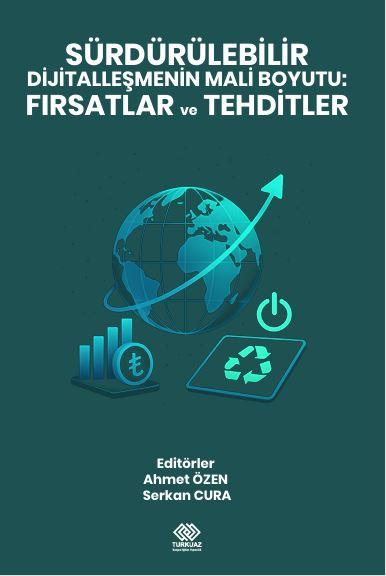
Downloads
Pages
229-254
Published
December 11, 2025
Categories
Copyright (c) 2025 Serkan CURA (Cilt editörü); Doç. Dr. Güngör ÖZCAN- Doç. Dr. Melissa Nihal ÇAĞLE- Dr. Öğr. Üyesi Kevser YILMAZ- Seyfi YILDIZ- Arş. Gör. Hafize Erva YILDIZ- Dr. Nur Sena OĞUZ- Prof. Dr. Gül KAYALIDERE- Arş. Gör. Gizem KALYONCU YIKILMAZ - Arş. Gör. Dr. Ceyda ÜNAL- Dr. Burcu USTA- Prof. Dr. Haluk EGELİ- Prof. Dr. Coşkun ÇILBANT - Dr. Selin SERT- Prof. Dr. Asuman ALTAY- Prof. Dr. Ahmet ÖZEN (Bölüm Yazarı); Prof. Dr. Ahmet ÖZEN (Cilt editörü); Hüsnü ÇETİN (Bölüm Yazarı)