
BLOCKCHAIN TECHNOLOGIES AND LOCAL GOVERNMENT ECONOMIES: A COMPARATIVE ANALYSIS
Synopsis
Blockchain systems record data and transactions in a way that cannot be altered retroactively, using a decentralized network structure. Applications of information and communication technologies in the public sector have been increasingly expanding and deepening. In particular, “e-government” implementations have become highly developed in many countries, including Türkiye. However, “e-governance” practices—which involve not only central government but also local administrations, the private sector, and civil society organizations—have not advanced to the same extent. With the growing adoption of blockchain applications, it is expected that e-governance practices will also expand and deepen. Indeed, one of the major achievements in this area is the continuous improvement of technological infrastructure in the public sector across many countries, including Türkiye.
The integration of blockchain technologies into public services—at both central and local levels—has begun to create new governance layers, domains, and models. By contributing to social development, it is anticipated that increasing demands for local public services will be met more rapidly and at lower costs. This study examines the field of public economics, with a specific focus on local services, within the framework of blockchain technologies, and discusses these issues in the context of “local government economies.”
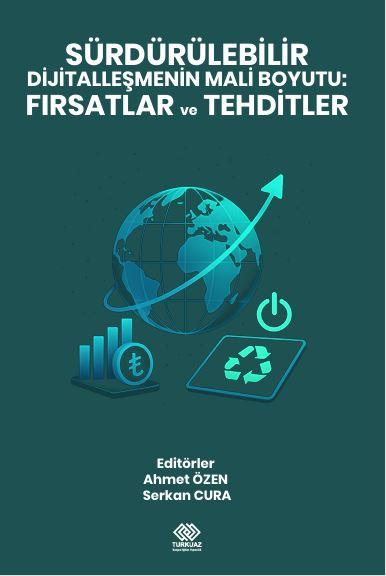
Downloads
Pages
1-16
Published
December 11, 2025
Categories
Copyright (c) 2025 Serkan CURA (Cilt editörü); Doç. Dr. Güngör ÖZCAN- Doç. Dr. Melissa Nihal ÇAĞLE- Dr. Öğr. Üyesi Kevser YILMAZ- Seyfi YILDIZ- Arş. Gör. Hafize Erva YILDIZ- Dr. Nur Sena OĞUZ- Prof. Dr. Gül KAYALIDERE- Arş. Gör. Gizem KALYONCU YIKILMAZ - Arş. Gör. Dr. Ceyda ÜNAL- Dr. Burcu USTA- Prof. Dr. Haluk EGELİ- Prof. Dr. Coşkun ÇILBANT - Dr. Selin SERT- Prof. Dr. Asuman ALTAY- Prof. Dr. Ahmet ÖZEN (Bölüm Yazarı); Prof. Dr. Ahmet ÖZEN (Cilt editörü); Hüsnü ÇETİN (Bölüm Yazarı)